One of the biggest contributing factors to prescription medication misuse is easy accessibility. For most, it is as simple as opening the medicine cabinet. There are some easy steps you can take to make it more difficult for others to access your prescription medications:
- Ask your pharmacist if any of your prescriptions are at risk for misuse.
- Secure prescription medications in a cabinet, drawer, or medicine safe – out of the reach of children and pets.
- Store medicine in its original containers. The label contains important information about dosage, side effects and expiration dates.
- Keep an inventory list of all of the prescription medications in your house. Do a periodic check (at least twice a year) to see if any medications are missing or expired.
- Keep medications in a cool, dark place to maintain the integrity of the medicine.
- Don’t share prescription medications with other members of the household. Children mimic the behavior of adults. If they see you sharing medications with other adults in the household, teens will assume it is safe for anyone to take them.
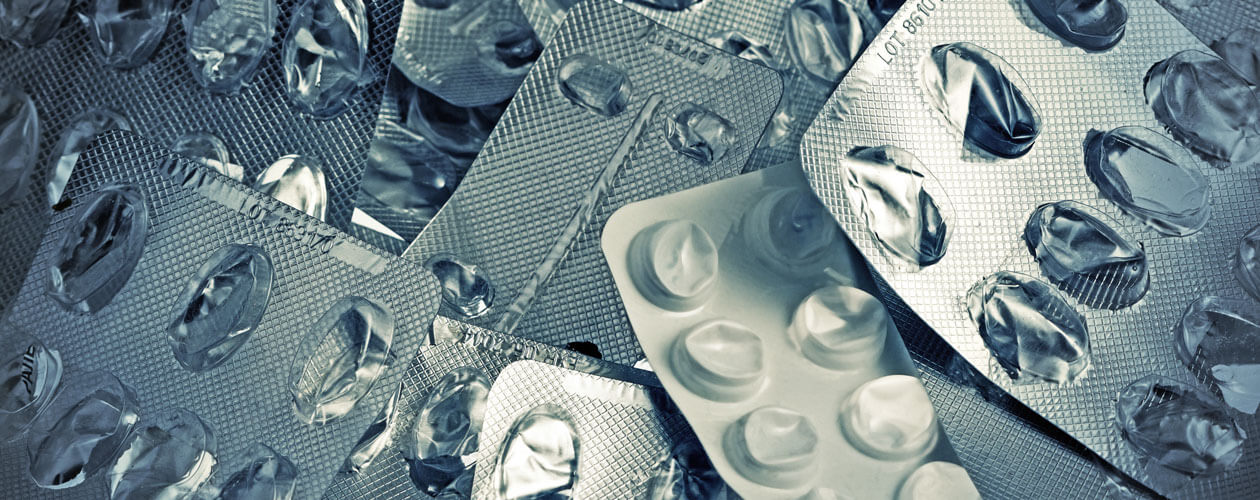
Safely disposing of expired or unnecessary medication is a vital part of preventing misuse of prescription medications. The safest, most recommended method for disposing of medication is community drug take-back events.
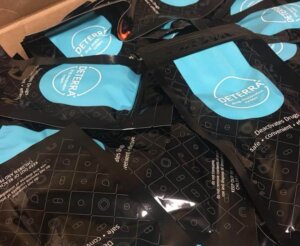
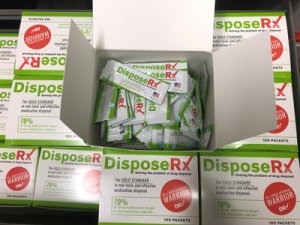
If there is no take-back event in your area, an additional option for safely disposing of medication is to use medication destruction packets. These packets are designed to deactivate the medications, making them safe to dispose of in the trash, and are biodegradable. Packets may be provided at no cost by your pharmacy or healthcare provider. The packets can also be purchased at most pharmacies.
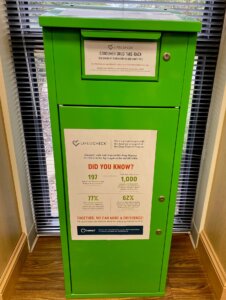
A third option is permanent medication disposal boxes located at law enforcement offices and pharmacies. These permanent boxes are a free, anonymous solution for proper disposal. You can locate a permanent disposal box near you by clicking
here.
It is no longer recommended that you flush any medications down the toilet or sink. Sewage systems cannot remove these substances from water released into lakes, rivers and oceans which means they can end up in your drinking water.