
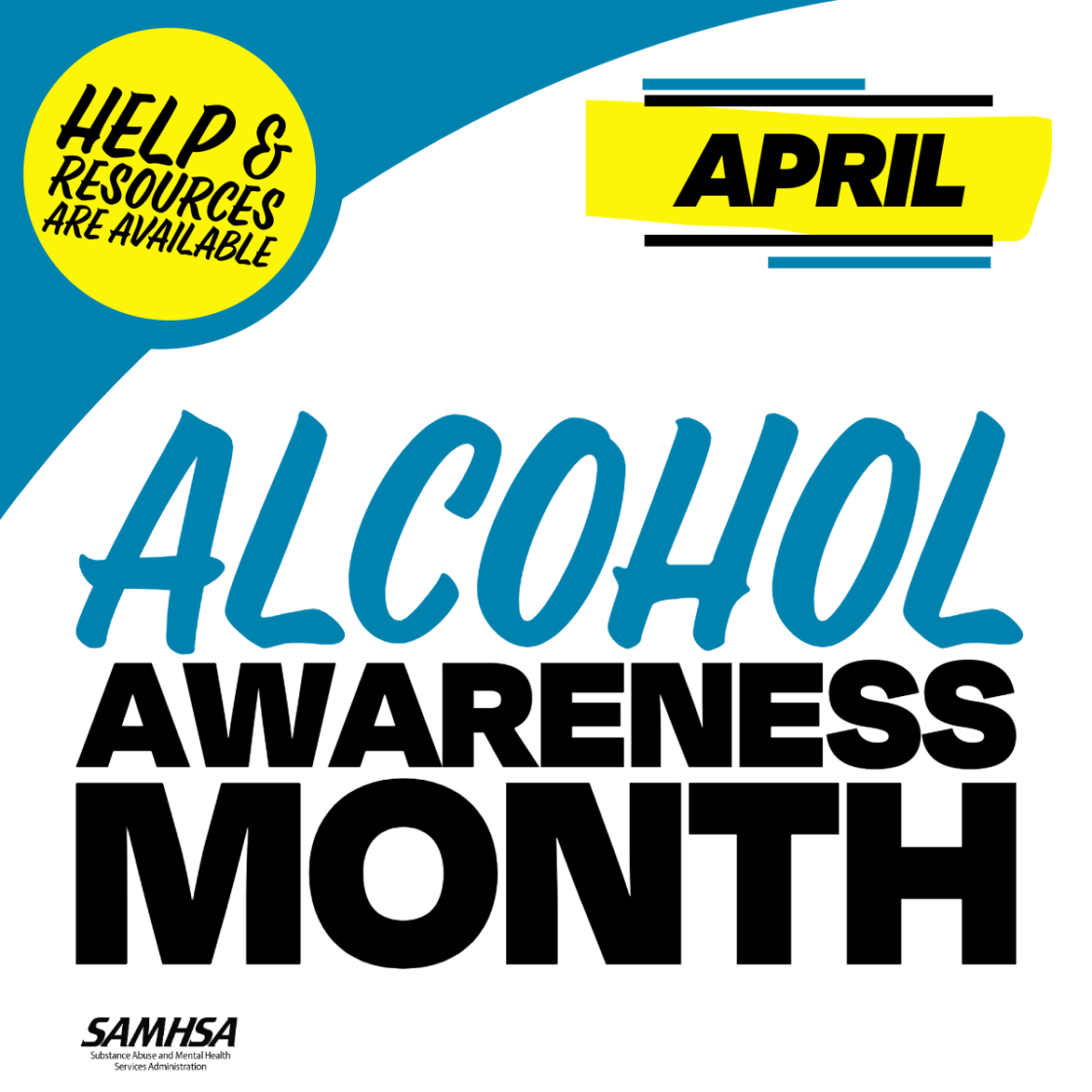
During Alcohol Awareness Month, it’s important to recognize how alcohol and other substances can impact not only overall health, but also the risk and recovery of serious injuries like traumatic brain injury (TBI). Research shows that substance use plays a major role in both causing TBIs and worsening their long-term effects, highlighting the need for increased awareness, prevention, and support for those affected.
Traumatic brain injury (TBI) and substance use are closely connected, with research showing that alcohol and other drugs significantly increase both the risk and severity of head injuries. Studies from the University of Washington report that 30–50% of people are intoxicated when they sustain a TBI, and more than one‑third had alcohol misuse issues beforehand. Additional federal data confirm that intoxication from alcohol, cannabis, or other substances raises the likelihood of sustaining a head injury due to slowed reaction time, impaired judgment, and reduced coordination. [tbi-bh-ech…try.uw.edu] [stacks.cdc.gov]
The impact of substance use continues long after the initial injury. A 2024 review by the Traumatic Brain Injury Center of Excellence found that drinking after a TBI leads to worse neurological, emotional, and cognitive outcomes, interfering with the brain’s healing ability and worsening symptoms like headaches, memory problems, and mood changes. Despite these risks, research from UAB Medicine shows that over 40% of individuals resume drinking within two years, increasing their risk of reinjury and prolonging recovery. [health.mil] [uabmedicine.org]
The connection also works in the other direction: individuals with a previous TBI are more vulnerable to developing alcohol or drug use disorders. A large national study of veterans found that those with a history of TBI had higher rates of alcohol use disorder, drug use disorder, anxiety, depression, and suicidal thoughts. Further research in Alcohol Research: Current Reviews indicates that mild TBI can alter brain circuits involved in impulse control and emotional regulation, making hazardous drinking more likely. [tbi-bh-ech…try.uw.edu] [arcr.niaaa.nih.gov]
Alcohol or drug intoxication can also delay diagnosis and treatment. Studies show that higher levels of intoxication increase the likelihood that an injury treated in the emergency department includes a TBI. Because intoxication can mask symptoms such as confusion or slurred speech, people may not realize the severity of their injury right away. [stacks.cdc.gov]
Although the need is great, effective treatment programs that address both TBI and substance misuse together remain limited. A review by the Brain Injury Association of America found only six comparative studies examining interventions for substance misuse after TBI, highlighting the need for programs tailored to the cognitive and emotional challenges of brain‑injury recovery. [Interventi…tic Review]
For local help and support services, visit https://www.resourcestotherescue.org/
For more information and support for TBIs, visit https://www.biamo.org/
This article was submitted by Shelly Marlowe, Director of the ADAPT Partnerships for Success project.